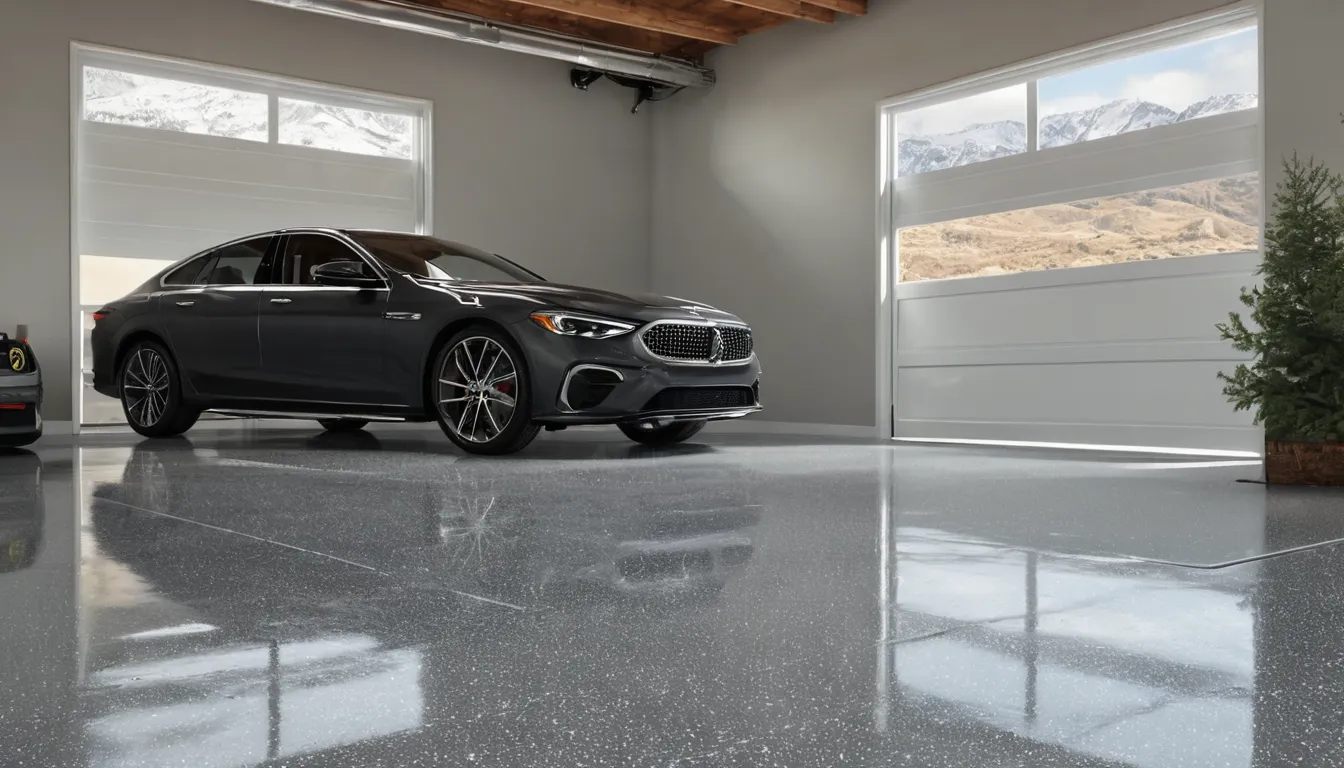
Polyaspartic Floor Coating Services for Your Garage
Request an estimate from a local provider
A lot of people think every garage floor coating is the same thing with a different name. It is not. Polyaspartic is a different chemistry. It cures quickly, stays clear, and handles strong sun better than many older coatings. That matters if your garage gets bright light or you need your parking space back soon.
Prabvisa Floor Coating is a referral service. We do not do the work. We explain your options in plain words, then connect you with independent providers in our network. A local provider looks at your slab, talks through a full or hybrid system, and gives you a written quote. You decide what happens next.
Need Your Garage Back Quickly?
A lot of people think a new floor coating means a week of parking on the street. In practice, polyaspartic is known for fast cure times. Many projects wrap up in a day or two. The exact timing depends on the provider, the slab, and the weather.
Request a callback to check provider availability.
Spot Floor Trouble Early
A coating job goes more smoothly when the slab is still in decent shape. Watch for these signs:
- Hairline cracks that are getting longer
- Chalky dust on bare concrete
- Peeling or lifting near the door and edges
- Dark stains that never wash out
- Flaking spots where tires sit
Small cracks are cheaper to fill than wide ones. Spot it early, and the prep work stays simple.
Polyaspartic vs. Epoxy: What Is Different?
Myth: polyaspartic is just fancy epoxy. Fact: the chemistry is different. Polyaspartic cures much faster. It stays clear in strong sun, while many epoxies can yellow over time. It is also a bit more flexible on a slab that shifts with the seasons.
Epoxy garage floors still make sense in some homes. Epoxy can cost less and works well in shaded spaces where speed is not a worry. A provider can tell you which one fits your garage.
Why Sun and Snow Matter Here
Dry air and bright sun at altitude are tough on floors near the garage door. UV light breaks down some coatings. Heavy snow and fast spring melt bring wet tires, road salt, and cold slab swings. A UV-stable topcoat is a smart question to raise with any provider.
Full Polyaspartic or Hybrid System?
Myth: you must pick one or the other. Fact: there are two common setups.
- Full polyaspartic: every layer is polyaspartic. It is quick and tough, and it often costs more.
- Hybrid: an epoxy base with a polyaspartic topcoat. It can cut cost while keeping the sun-stable finish.
Know your options before you compare quotes. Two bids may describe different systems.
How the Installation Process Usually Goes
Most providers follow a similar path:
- Check the slab for cracks, moisture, and old sealers
- Grind the surface so the coating can grip
- Fill cracks and joints
- Apply the base coat and scatter flakes if you want them
- Add one or two clear topcoats
Skipping the grind is the mistake to watch for. A coating on a poorly prepped slab can peel.
Where Polyaspartic Works Well
Garages are the usual pick. It also suits workshops, porches, patios, and some basements. Basements need a moisture check first, since damp slabs can push a coating up. Newer frame homes may have young concrete that needs time to cure, so ask the provider how long to wait.
Weather and Timing
Polyaspartic can be applied in cooler temperatures than many coatings, but not in every condition. Dry air can speed up the cure, which leaves less working time. Providers often plan around morning or evening temperatures. A wet slab after spring melt may need extra drying time. Flexible scheduling helps.
Choosing Colors and Flake Blends
Flakes hide dirt and small marks. Solid colors look sleek but show dust. Many providers offer custom floor finishes, such as blended flakes, metallic looks, or contrast borders. Ask to see a sample board in your own garage light. Colors look different in bright sun than in a showroom.
Caring for a Polyaspartic Floor
Care is simple. Sweep often and mop with mild cleaner. Wipe up salt melt and spills. Skip harsh solvents and stiff wire brushes. Felt pads under heavy tool chests protect the surface from scratches.
Questions to Ask the Installer
- Which system are you quoting, full or hybrid?
- How will you prep and grind the slab?
- How do you test for moisture?
- How long before I can walk and park on it?
- What does the written warranty cover, if any?
A Quick Note on Other Floors
Some providers in our network also handle other flooring work, such as hardwood flooring installation inside the house. This page stays focused on coatings, but you can mention other projects when you talk with a provider.
Ready to compare options? Request an estimate and a local provider will walk you through next steps.
What's Included
Fast Cure
Polyaspartic sets quickly, so many garages are back in use within a day or two.
UV-Stable Finish
The clear topcoat resists yellowing, which helps garages that get strong, bright sun.
Full or Hybrid Systems
Providers can quote a full polyaspartic build or an epoxy base with a polyaspartic topcoat.
Custom Looks
Choose solid colors, flake blends, or other finishes to match your garage.
Typical Polyaspartic Coating Costs in the U.S.
Prices vary by slab condition, garage size, and system type. These are typical U.S. ranges, not quotes. Always get a written quote that lists prep work, materials, and the number of coats.
| Item | Typical range | Notes |
|---|---|---|
| Price per square foot | $5 – $12 | Higher end for full polyaspartic and flakes |
| One-car garage, full system | $1,800 – $3,500 | Based on about 200–250 sq ft |
| Two-car garage, full system | $3,000 – $6,500 | Size and prep drive the price |
| Hybrid epoxy and polyaspartic | $2,500 – $5,500 | Often a bit lower than full systems |
| Crack and joint repair | $200 – $800 | Depends on how many cracks |
| Flake or custom finish upgrade | $300 – $1,200 | Metallic looks cost more |
How It Works
Share Your Project
Tell us your garage size, current floor condition, and the look you want.
Get Matched Locally
We connect you with an independent provider in our network near you.
Review the Written Quote
The provider checks your slab and explains the system, prep, and price.
Schedule the Work
Pick a time that fits the weather, then the provider handles the coating.
Why Call Prabvisa Floor Coating
Know Your Options First
We explain full, hybrid, and epoxy choices in plain words before you talk to anyone.
Independent Providers
Local providers in our network do the work. Prabvisa Floor Coating only makes the connection.
Better Questions
Learn what to ask about prep, moisture, and cure time before you compare quotes.
No Pressure
Request an estimate with no obligation, then decide at your own pace.
Other Services
Need polyaspartic floor coating services in Arvada?
Have a garage or concrete floor project in mind? Request a callback to check provider availability, or send a request and a local provider will follow up.
No obligationPolyaspartic Floor Coating Services FAQ
How long does polyaspartic floor coating take to cure?
Polyaspartic cures faster than most epoxy, and many garages are ready for foot traffic within hours and cars within a day or two. Timing depends on the product, the weather, and the provider, so ask for specifics.
Is polyaspartic better than epoxy for a garage floor?
Neither is always better. Polyaspartic cures quickly and resists sun yellowing. Epoxy can cost less and suits shaded garages. A provider can compare both for your slab and budget.
Can polyaspartic be applied over a cracked garage slab?
Often yes, after the provider repairs and fills the cracks and grinds the surface. Wide or shifting cracks may need extra work, so ask for the repair steps in your written quote.
Reach a local provider
Have a garage or concrete floor project in mind? Request a callback to check provider availability, or send a request and a local provider will follow up.
No obligation