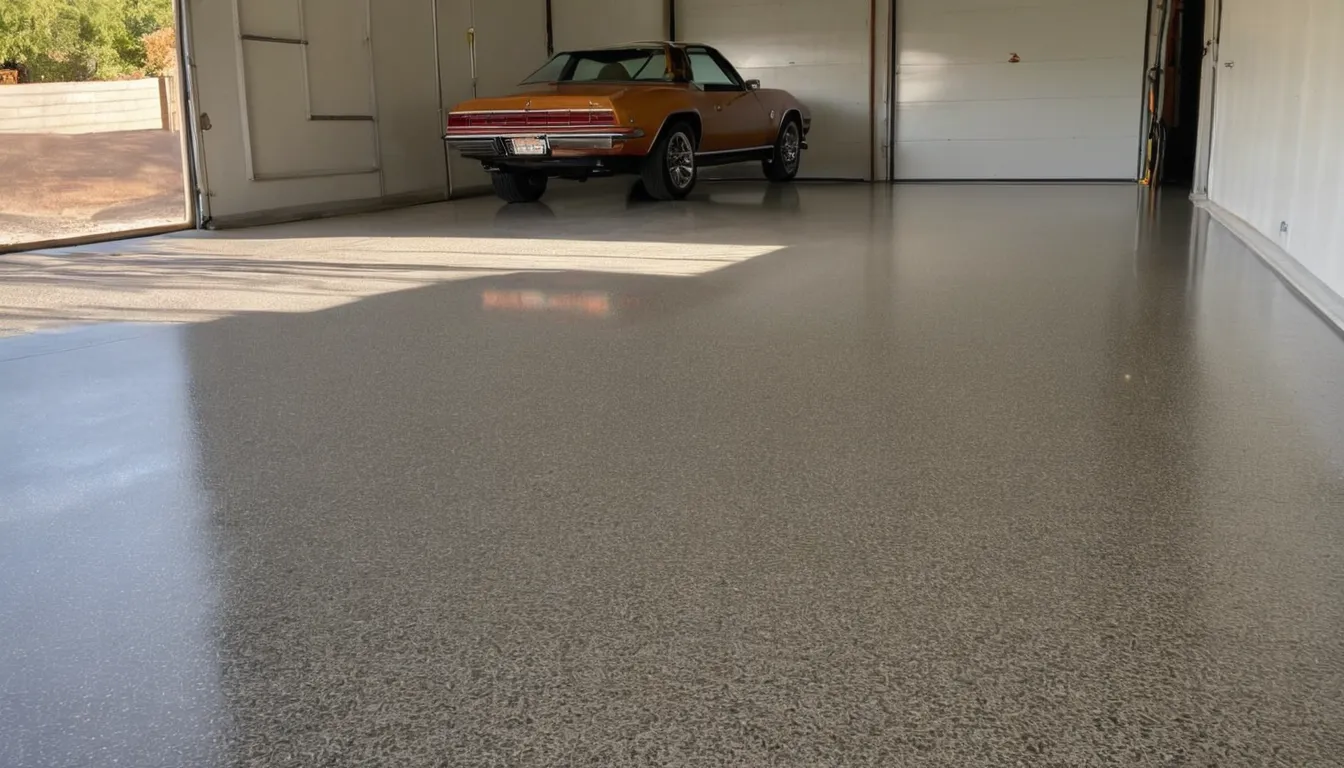
Epoxy Garage Floors: What to Know First
Request an estimate from a local provider
A lot of people think epoxy is just thick paint you roll over a dirty slab. In practice, a good epoxy garage floor is a coating system. It bonds to clean, rough concrete and forms a hard, sealed layer that handles tires, spills, and daily wear.
Prabvisa Floor Coating is a referral service. We do not do the work. We help you understand your options, then connect you with independent providers in our network who coat garage floors in Arvada and the Arvada area. Dry air, strong sun, and winter snow all affect a garage slab. This page explains what matters, what to watch for, and what to ask before anyone starts, so you can request an estimate with confidence.
Garage Floor Getting Worse? Start Here
A lot of people think a few cracks or a dusty surface can wait. In practice, a garage slab takes a beating. Snow melt, road salt, hot tires, and dripping oil all work on it. Small flaws grow.
If your floor is flaking, staining, or turning to dust, it is worth getting a plan now. Epoxy garage floors are a common fix, and a local provider can tell you if your slab is a good fit.
Spot It Early: Warning Signs
Most floor problems give hints first. Look for these:
- Fine dust on your shoes after you walk across the slab
- Dark patches that never dry out
- Hairline cracks that seem longer each season
- Peeling or bubbling from an old coating
- White, chalky deposits on the surface
Catching these early often means simpler repairs and more coating choices.
Myth: Epoxy Is Just Paint
Garage paint sits on top and often peels under hot tires. Epoxy is a two-part material. The parts react and harden into a tough layer that grips the concrete. That grip is the whole point, and it depends on the slab being ready.
Why Prep Matters More Than the Product
Here is the fact many people miss. The brand of epoxy matters less than the prep. Most coating failures trace back to a slab that was dirty, smooth, or damp.
A provider usually grinds the surface with a diamond grinder. This opens the pores in the concrete so the coating can bite in. Oil stains, old sealers, and loose patches need attention first. Acid etching from a jug is often not enough on its own.
Check for Moisture
Many homes in our area have basements, and newer frame homes can have slabs that hold moisture longer than you would expect. Water vapor pushing up through concrete can lift a coating from below.
A provider can run a simple moisture test before choosing a product. If readings run high, they may suggest a moisture-blocking primer. Ask to see the results.
Common Epoxy Floor Systems
Not every epoxy job looks the same. Here are the usual options:
- Solid color epoxy: A smooth, single-tone finish. Simple and tidy.
- Flake or chip system: Colored flakes are broadcast into wet epoxy. This hides small flaws and adds grip.
- Metallic epoxy: Swirled pigments give a deep, marbled look.
- Quartz blends: Colored sand mixed in for extra texture and wear resistance.
Flake systems are popular for garages because they hide dust, tire marks, and small slab flaws.
Custom Floor Finishes
You are not stuck with gray. Many providers offer custom floor finishes, including flake blends, metallic swirls, and stripes or borders. Ask to see a sample board in your own garage light. Colors can look very different outdoors than they do in a showroom.
Topcoats and Sun Exposure
Myth: epoxy is epoxy, so sunlight does not matter. Fact: standard epoxy can yellow or look chalky when strong sun hits it. At high altitude, that sun is intense, and an open garage door lets it reach the floor.
A clear topcoat helps. Many providers use a UV-stable topcoat over epoxy to protect color and add scratch resistance. If your garage gets direct light, ask which topcoat is planned and why.
What a Typical Install Looks Like
Most garage jobs follow the same path:
- The provider inspects the slab and tests for moisture.
- Cracks and chips are filled and the surface is ground.
- A primer or base coat goes down.
- Flakes or color are added, if chosen.
- A topcoat seals everything.
Total time varies with weather, slab condition, and the system chosen. Epoxy also needs time to cure before it takes weight. Ask for the cure schedule in writing.
Getting the Garage Ready
A little prep on your side helps the day go smoothly.
- Clear out cars, bikes, shelves, and boxes.
- Move anything that could leak or drip.
- Ask the provider about temperature, since cold slabs and fast spring melt can slow curing.
- Plan where vehicles will park while the floor cures.
If your home is also getting hardwood flooring installation inside, tell the provider so the schedule and dust control make sense for both projects.
Caring for Your New Floor
Myth: a coated floor never needs care. Fact: it is easy to clean, but not magic. Sweep often. Mop with mild cleaner. Wipe spills, especially from fluids and road salt. Use a soft mop, not harsh scrapers. Felt pads under heavy tools help. Ask the provider for care steps that match your product.
Questions to Ask the Provider
Good questions lead to good jobs. Try these:
- How will you prepare the slab, and with what equipment?
- Will you test for moisture first?
- Which system and topcoat do you suggest for my garage?
- How long until I can walk and park on it?
- What does the warranty cover, in writing?
Know Your Options Before You Commit
Epoxy is one choice. Some homeowners compare it with other concrete coating types. A provider can explain the trade-offs for your slab. Request a callback to check provider availability, or use the request form to get started.
What's Included
Slab Inspection
A provider checks cracks, dust, stains, and moisture before suggesting any coating system.
Surface Grinding
Diamond grinding opens the concrete so the epoxy can bond firmly and last longer.
Epoxy Base Coats
Solid color, flake, or metallic systems are applied in layers to suit your garage.
UV Topcoat
A clear protective layer helps guard color against sun and everyday scratches.
Typical Epoxy Garage Floor Cost Ranges
Prices vary by slab condition, garage size, and the system you choose. These are typical U.S. ranges only, not quotes. Always get a written quote from the provider that lists prep, materials, and topcoat.
| Item | Typical range | Notes |
|---|---|---|
| Basic solid epoxy, per sq ft | $3 – $7 | Fewer layers, simple look |
| Flake system, per sq ft | $5 – $10 | Hides flaws, adds grip |
| Metallic epoxy, per sq ft | $8 – $15 | Custom swirled finish |
| Crack and chip repair | $100 – $600 | Depends on number and size |
| Moisture-blocking primer | $1 – $3 per sq ft | Needed if tests run high |
| Typical two-car garage total | $1,800 – $4,500 | Varies by system and prep |
How It Works
Share Your Details
Tell us about your garage and what you see on the floor, using the form.
We Make the Match
We connect you with an independent provider in our network who serves your area.
Review the Estimate
The provider looks at the slab and gives you a written estimate to review.
Schedule the Work
If the plan fits, you set a date with the provider, who completes the job.
Why Call Prabvisa Floor Coating
Know Options
We explain the choices in plain words so you can compare systems before anyone starts work.
Local Providers
Providers in our network work with local climate and slab conditions every season.
Better Questions
You get a clear list of what to ask, so quotes are easier to compare.
No Obligation
Requesting an estimate does not commit you to hiring any provider in our network.
Other Services
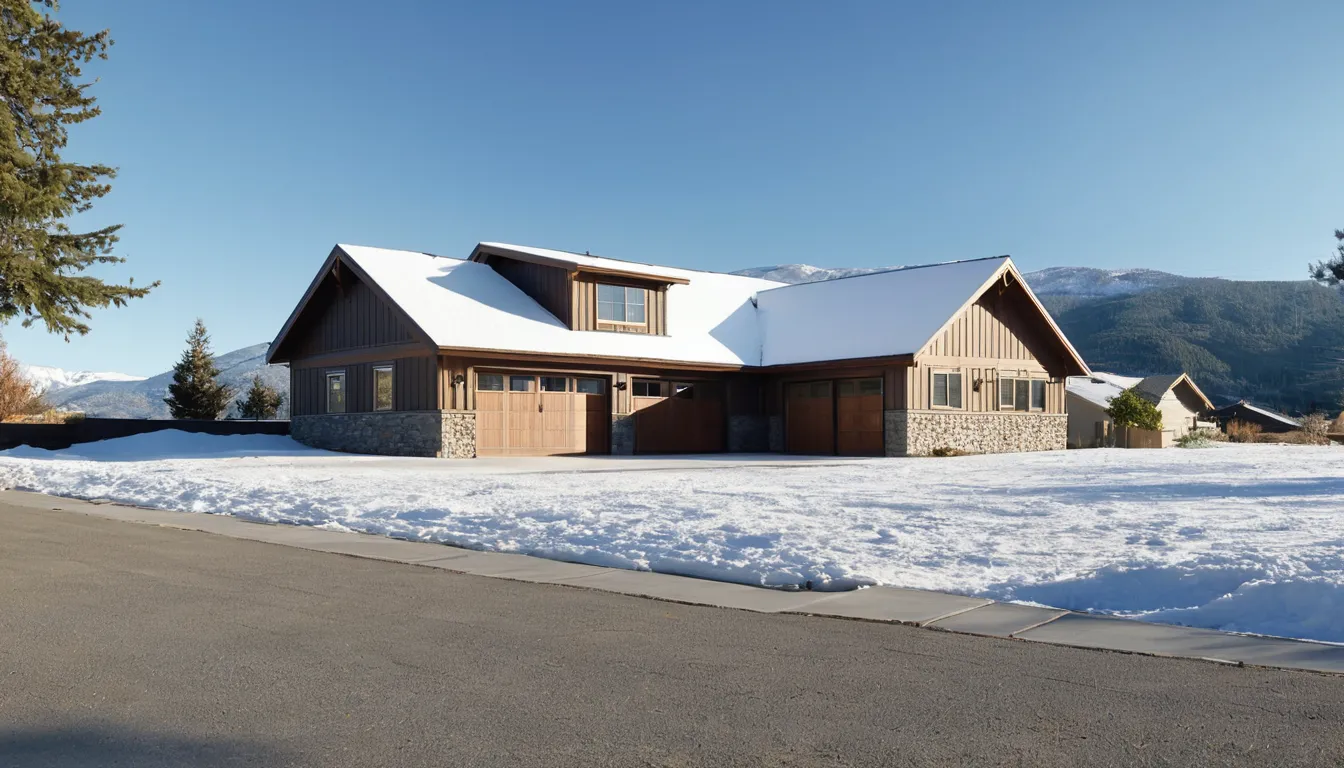
Need epoxy garage floors in Arvada?
Have a garage or concrete floor project in mind? Request a callback to check provider availability, or send a request and a local provider will follow up.
No obligationEpoxy Garage Floors FAQ
How long do epoxy garage floors last?
Many last several years or longer, depending on prep, product, sun exposure, and traffic. A well-prepared slab with a UV-stable topcoat usually holds up better. Ask the provider what warranty is offered and what it covers.
Can epoxy be applied over cracked or stained concrete?
Often yes, after repair. Providers usually fill cracks, grind the surface, and treat deep oil stains first. Very damaged or damp slabs may need extra steps, so a provider should inspect yours before quoting.
How long before I can park on a new epoxy floor?
It depends on the product, temperature, and humidity. Many floors take light foot traffic within a day or so but need longer before cars. Ask the provider for a written cure schedule.
Reach a local provider
Have a garage or concrete floor project in mind? Request a callback to check provider availability, or send a request and a local provider will follow up.
No obligation